The History of the Artemis Program
The Artemis Program marks humanity’s return to the Moon after more than 50 years since the Apollo 17 mission.
Officially created by NASA in the 2010s, it has an ambitious purpose: to take the first woman and the first Black person to the lunar surface, establish a sustainable presence on the Moon, and prepare the way for future exploration of Mars.
Artemis is not just a continuation of the Apollo missions, it is a new era of space exploration, with modern technology, international cooperation (such as the European Space Agency, JAXA, and CSA), and a focus on building permanent infrastructure, including orbital stations and lunar bases.
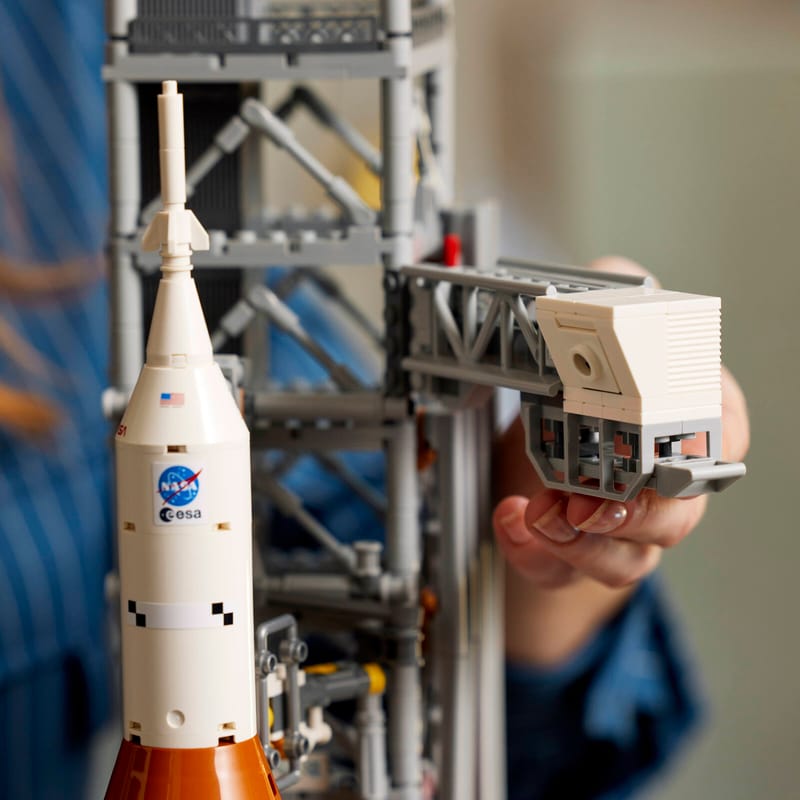
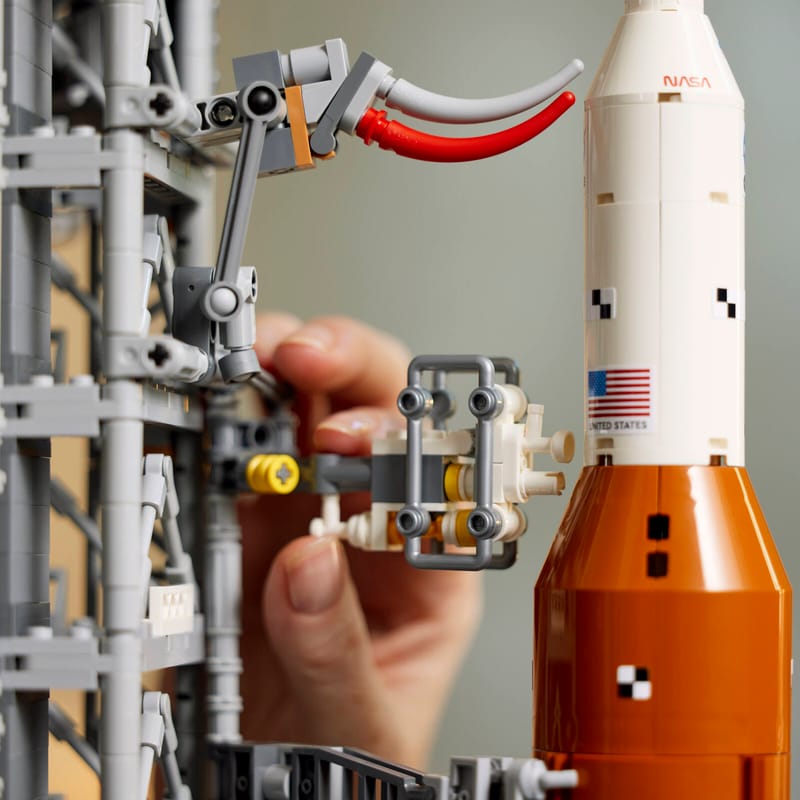
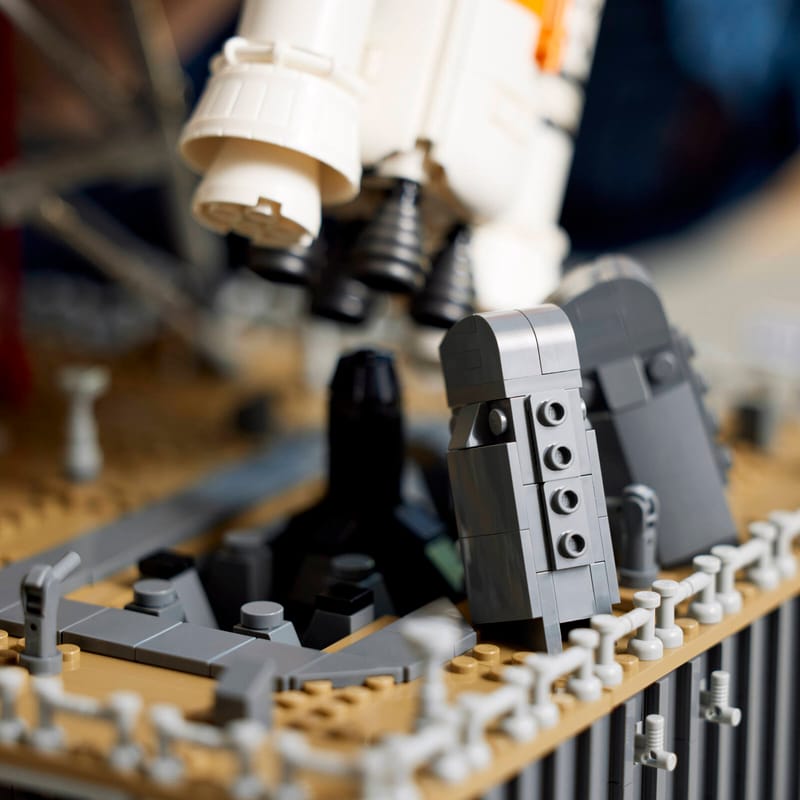
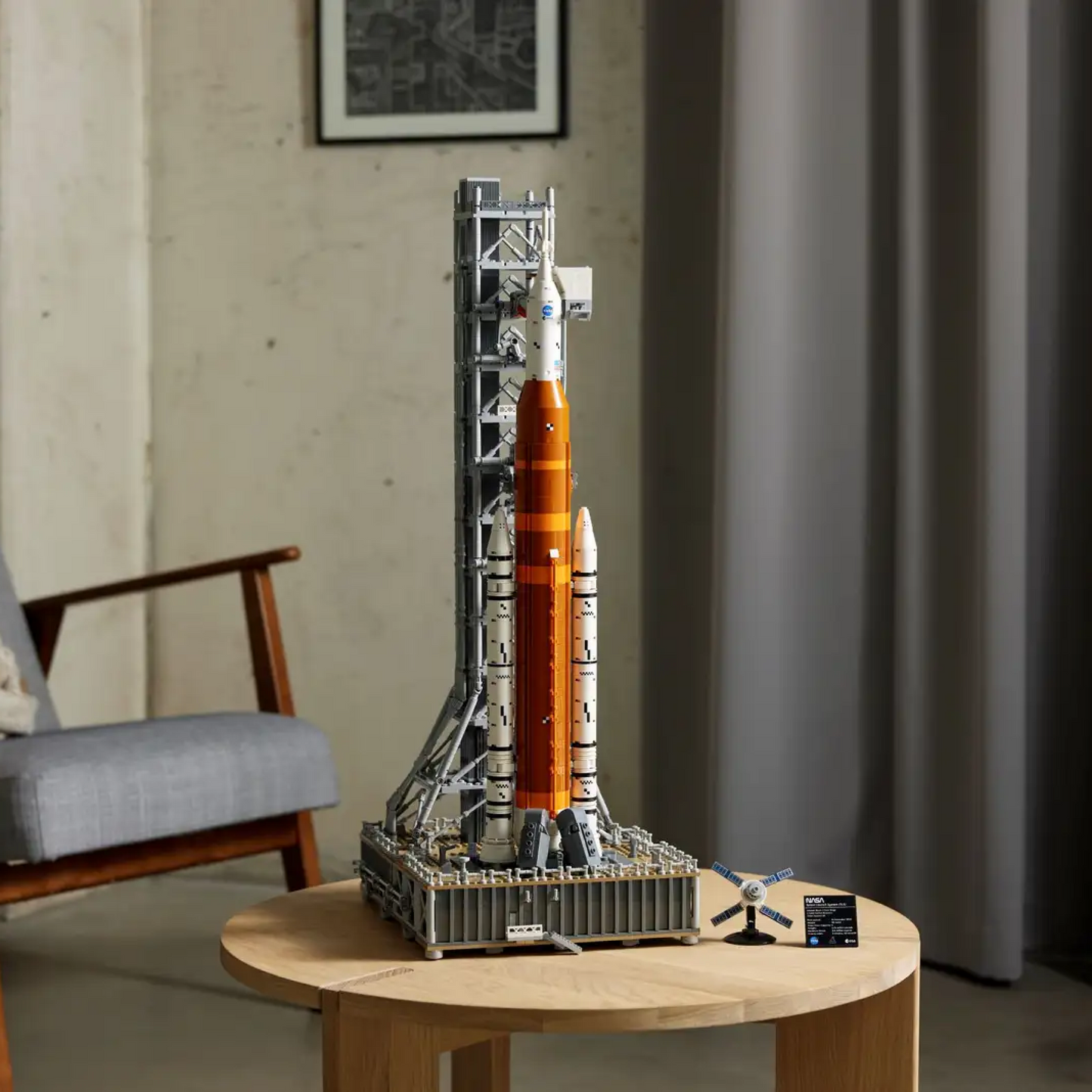
To make this leap possible, NASA developed the SLS (Space Launch System), the most powerful rocket built by humans since the Saturn V.
Its development began in the 2010s, using evolved technology from the space shuttles and new advancements in propulsion.
The SLS is designed to send the Orion spacecraft, a modern capsule capable of carrying astronauts beyond Earth orbit, directly to lunar orbit.
With about 100 meters in height (depending on the version) and enough power to lift more than 4,000 tons, the SLS represents the peak of aerospace engineering of our time.
The history of the SLS gained a significant chapter in November 2022, when the Artemis I mission completed its first flight, sending Orion on a trajectory around the Moon and proving that the entire system was ready for crewed missions.
The next stages (Artemis II and Artemis III) will take astronauts once again to deep space and, finally, to the lunar surface.
Thus, both the rocket and the program symbolize not only the return to the Moon, but the beginning of a much larger journey: transforming the Moon into a support point for the future of human exploration in the solar system.